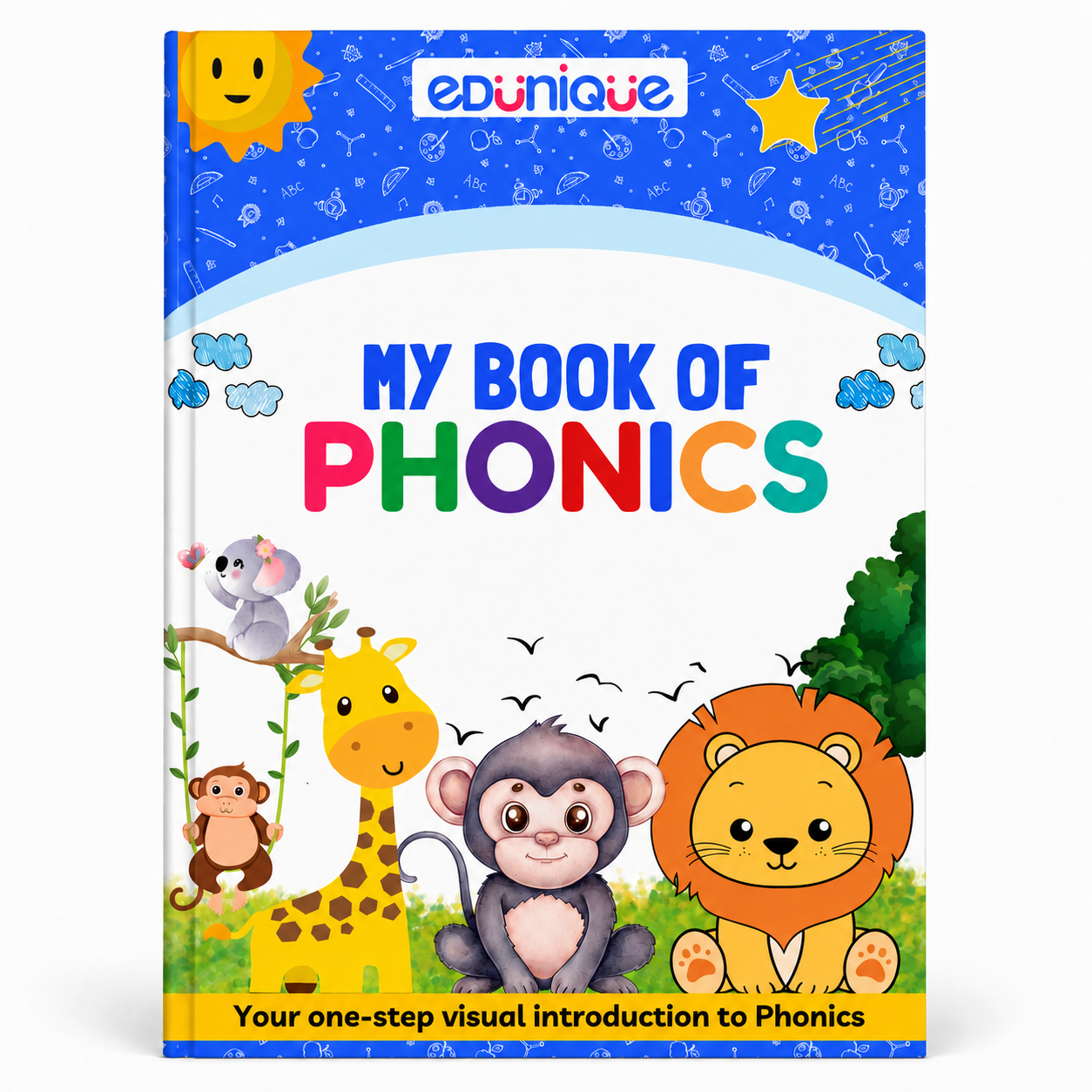
Phonics Book Case: 3 to 4 Year
₹2,299.00 – ₹2,999.00Price range: ₹2,299.00 through ₹2,999.00
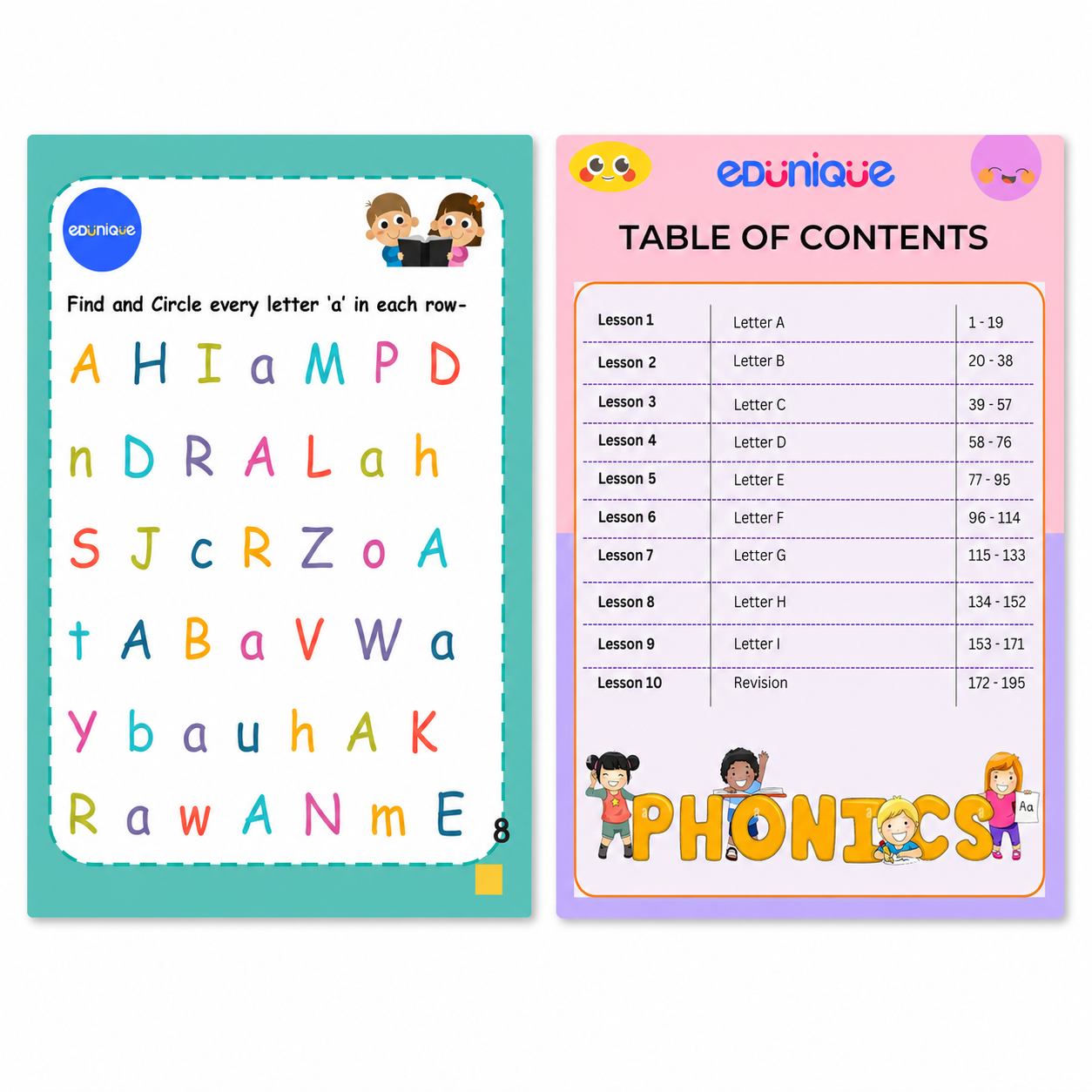
The Phonics Book Case – Set A, B, C & D is a complete early-reading programme designed for children aged 3–4 years. Beginning with alphabet recognition, letter sounds, picture vocabulary and tracing, the series gradually introduces consonant blends, long vowels, vowel combinations, r-controlled vowels, syllable rules and fluent word reading. Colourful illustrations, speaking activities, word games, revision exercises and guided practice help children strengthen pronunciation, vocabulary, spelling, handwriting readiness and reading confidence.
From First Letters to Confident Reading
Learning to read is a gradual journey. Children first learn to recognise letters, then connect them with sounds, combine those sounds into words and eventually read sentences with confidence.
The Phonics Book Case – Set A, B, C & D supports every stage of this journey through a structured, visual and activity-based learning approach for children aged 3–4 years.
The series begins with uppercase and lowercase letters, familiar picture words, tracing and beginning sounds. It then progresses to consonant blends, ending sounds, long vowels, vowel combinations, r-controlled vowels, syllable patterns and sentence reading.
Instead of asking children to memorise letters and words, the books encourage them to see, listen, say, trace, match, complete and read. This multisensory approach helps young learners understand how letters and sounds work together while keeping phonics practice colourful, enjoyable and age-appropriate.
A Complete Step-by-Step Phonics Programme
The complete book case combines four progressive phonics sets that help children move naturally from alphabet readiness to fluent word reading.
What Children Will Learn
Set A & Set B: Build the Foundation
Set A and Set B introduce children to the alphabet through colourful pictures, familiar words and guided activities.
Children learn to:
- Recognise uppercase and lowercase letters
- Connect letters with their beginning sounds
- Learn familiar picture-based vocabulary
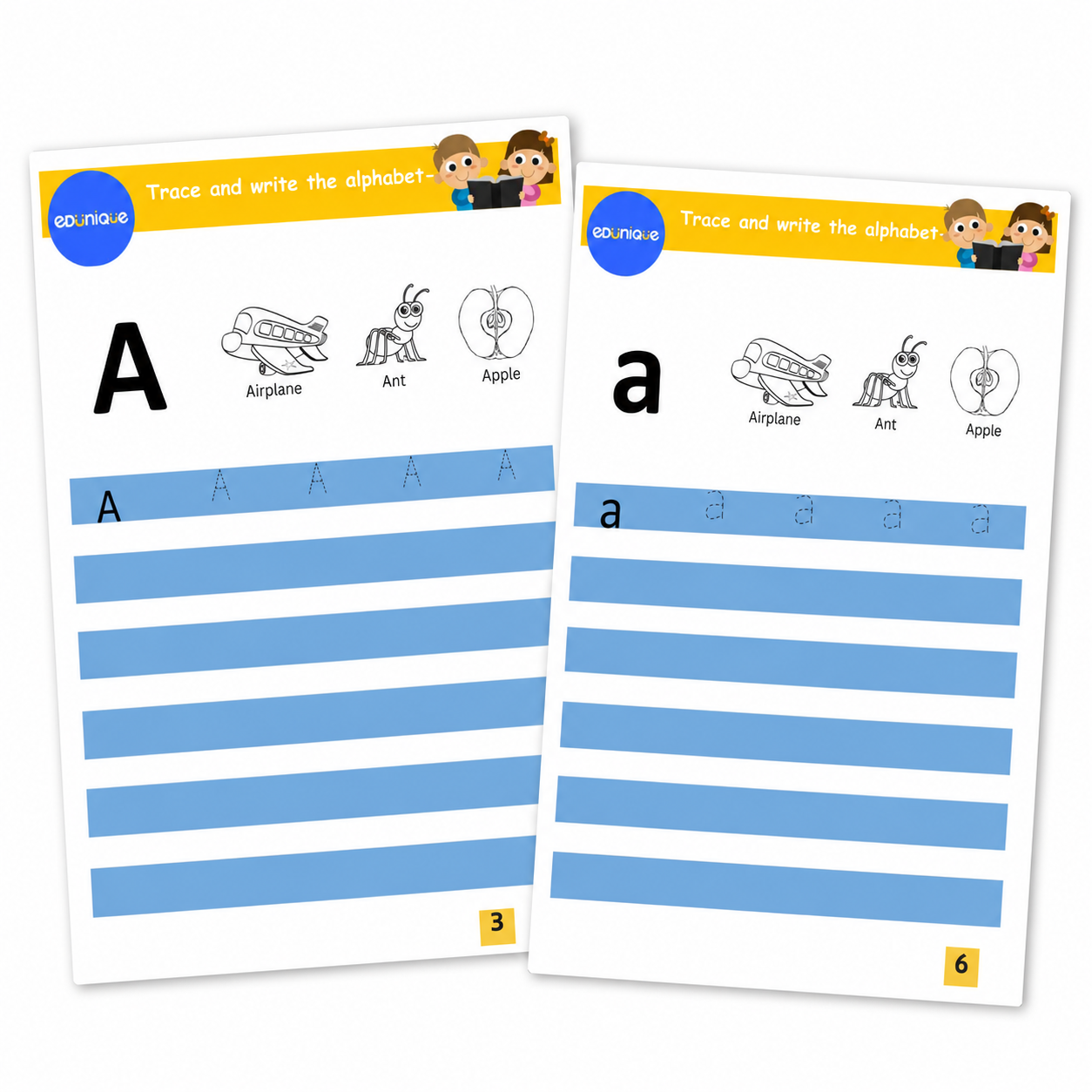
- Trace and write letters
- Identify letters among similar shapes
- Match letters with the correct pictures
- Say simple words and sentences aloud
- Answer age-appropriate oral questions
- Explore concepts related to the body, family, home and everyday surroundings
- Draw, colour and complete hands-on activities
For example, instead of simply learning that “J” is a letter, children connect it with familiar words such as jug, jeep, jelly and joker. They trace the letter, find it among other letters, identify related pictures and pronounce the words aloud.
This helps children understand and remember letters naturally rather than relying only on repetition.
Set C Part 1: Consonant Sounds and Blends
Children begin combining letters and recognising common consonant sounds and blends, including:
- sh
- ch
- ck
- th
- fl
- sl
- cr
- dr
- fr
- tr
- st
- mp
- nt
- nd
These lessons help children identify beginning and ending sounds, blend letters together and read simple words more confidently.
Set C Part 2: Advanced Blends and R-Controlled Vowels
Children move forward with additional sound patterns, including:
- sk
- ft
- st
- sp
- sn
- sm
- cl
- pl
- ng
- nk
The books also introduce:
- er
- ir
- ur
- ar
- or
- Y as a vowel
These concepts help children understand more complex sound patterns and improve their ability to read unfamiliar words.
Set D Part 1: Long Vowels and Vowel Combinations
Children learn how vowel sounds change when letters appear together or when a silent “e” is added.
Sound patterns include:
- a-e
- i-e
- ai
- ay
- ei
- ey
- eigh
- ee
- ea
- ie
- igh
Picture reading, missing-letter tasks, word lists and sentence-based exercises help children recognise and apply these patterns while reading.
Set D Part 2: Additional Vowel Patterns and Syllable Rules
Children practise vowel combinations and word-building rules such as:
- oe
- oa
- oo
- ue
- ea
- oi
- ou
- Closed syllables
These lessons strengthen reading, pronunciation and spelling by helping children understand how sounds are organised within words.
More Than an Alphabet and Phonics Book
The complete series develops several early-learning abilities in one structured programme.
Children receive opportunities to:
- Recognise and write letters
- Connect written letters with spoken sounds
- Blend sounds to read words
- Identify beginning, middle and ending sounds
- Learn new vocabulary through pictures
- Read words and sentences aloud
- Understand common spelling patterns
- Practise listening and speaking
- Improve pencil control and handwriting readiness
- Observe, compare, match and solve simple tasks
- Revise previously learnt sounds and concepts
This progressive structure allows children to build one skill at a time without feeling overwhelmed.
Fun Practice That Keeps Children Engaged
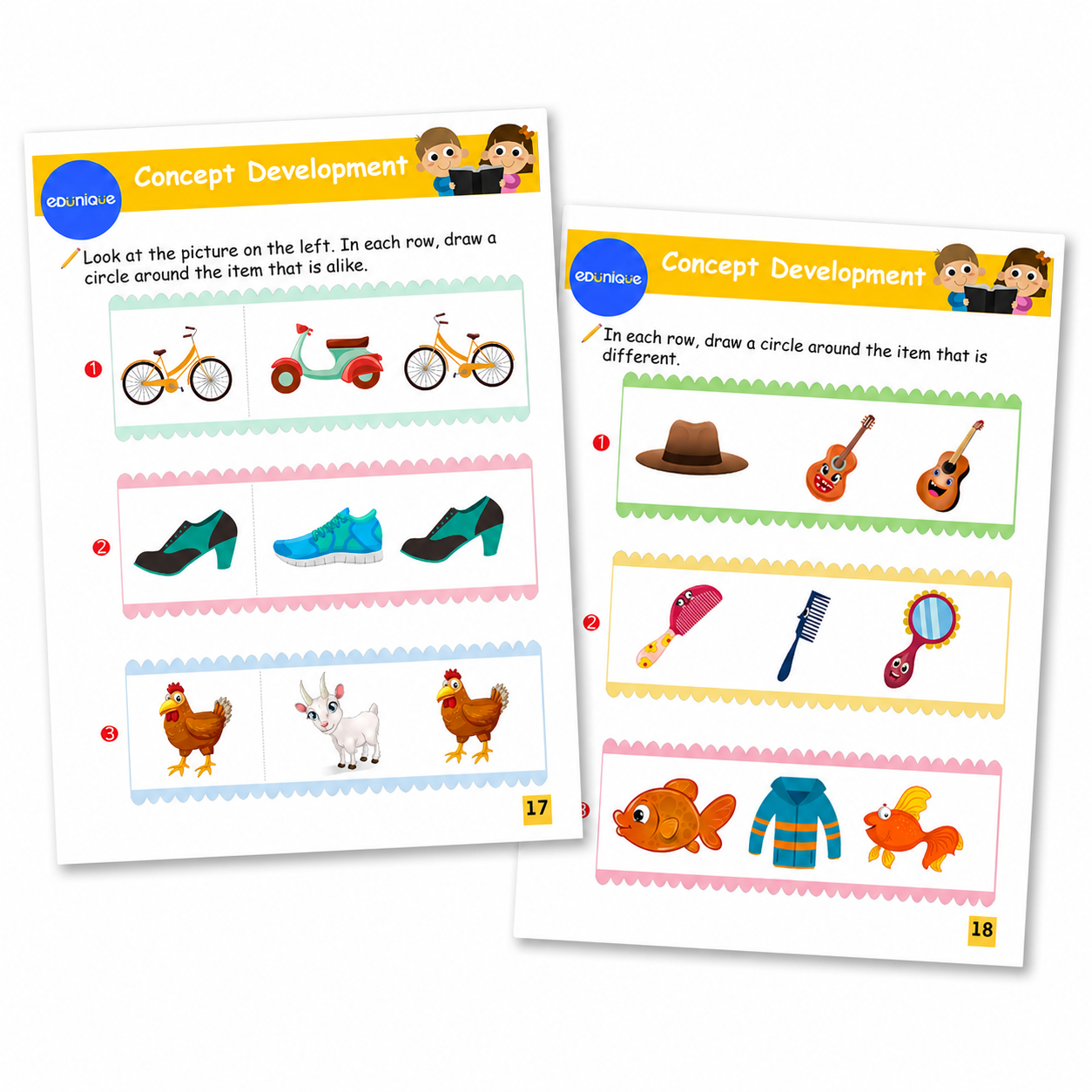
Young children need variety to remain interested. The books therefore combine reading and writing practice with games, conversations and creative activities.
The series includes:
- Colourful picture-word learning
- Alphabet tracing practice
- Letter-search exercises
- Beginning-sound identification
- Introduction to Sound activities
- I Spy picture-matching tasks
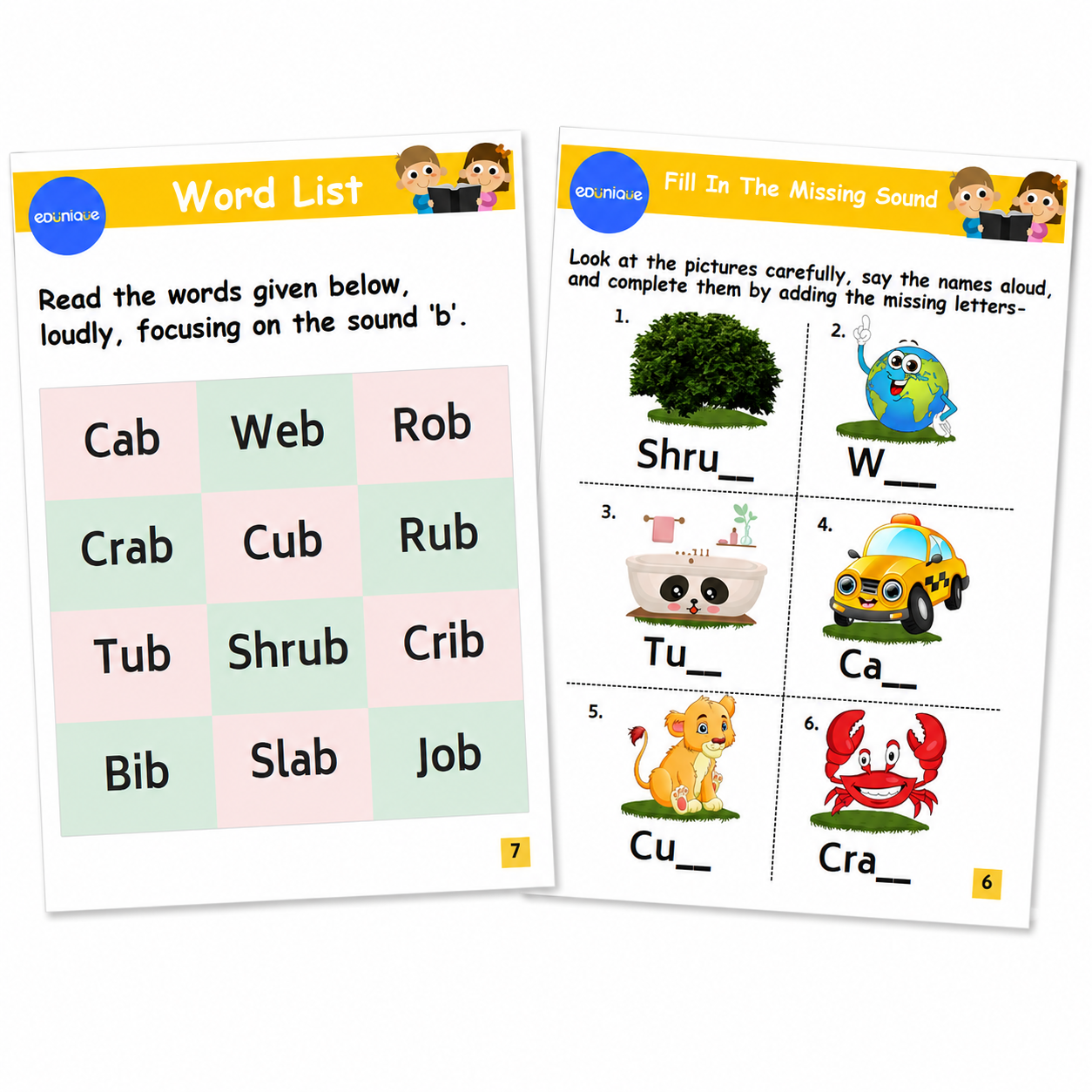
- Fill in the Missing Sound exercises
- I Can Read sections
- Word-list reading
- Read-aloud sentence practice
- Sound sorting and identification
- Bingo-based learning games
- Oral interaction questions
- Speak-athon activities
- Drawing and colouring tasks
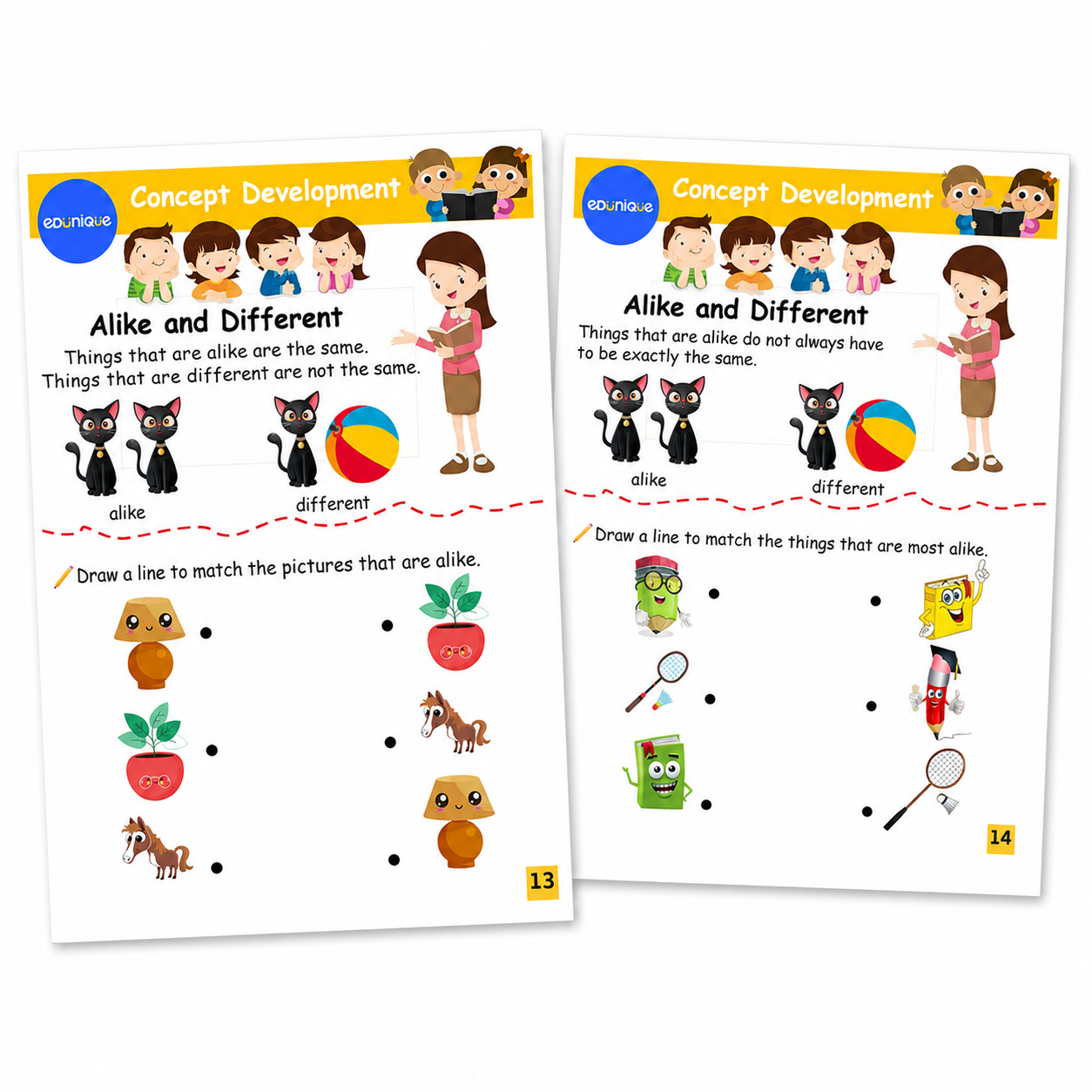
- Concept-development exercises
- Regular revision lessons
These varied activities encourage children to observe carefully, listen to sounds, pronounce words, complete patterns and practise reading without making learning feel repetitive.
Key Learning Benefits
The Phonics Book Case – Set A, B, C & D:
- Builds a strong foundation in alphabet recognition and phonics
- Improves letter-sound association
- Develops pronunciation and speaking confidence
- Strengthens picture-based vocabulary
- Supports early handwriting and pencil control
- Helps children blend sounds and read complete words
- Introduces common consonant and vowel patterns
- Builds awareness of spelling rules
- Improves word and sentence-reading fluency
- Develops listening and language-processing skills
- Encourages concentration and careful observation
- Supports preschool and early-primary school readiness
- Helps children become more confident and independent readers
Skills & Brain Functions Developed
Early Letter Recognition
Uppercase and lowercase activities help children identify, name and remember letters confidently.
Phonological Awareness
Children learn to hear, recognise, separate and combine sounds within words, supporting both reading and spelling development.
Sound Association
Picture-word and beginning-sound activities help children connect written letters with their corresponding sounds.
Reading and Fluency
Word lists, read-aloud practice and sentence-reading activities help children read more smoothly and pronounce words clearly.
Vocabulary Development
Colourful illustrations introduce words related to animals, food, objects, actions, family, the body, the home and everyday surroundings.
Spelling Awareness
Missing-sound exercises and vowel-pattern activities help children understand how sounds are represented through letters and letter combinations.
Visual Discrimination
Letter searches, matching tasks and picture identification help children notice differences between letters, shapes, words and images.
Memory and Recall
Repeated recognition, tracing, speaking, word reading, games and revision activities help children retain letters and sound patterns for longer.
Language Processing
Children learn how spoken sounds connect with written letters and words, improving pronunciation, comprehension and word usage.
Observation and Logical Thinking
Sound sorting, matching, pattern identification and concept-development exercises encourage children to compare information and select suitable answers.
Fine-Motor Development
Tracing, writing, drawing and colouring support pencil control, hand–eye coordination and early handwriting readiness.
Listening and Following Instructions
Guided tasks and oral questions help children listen carefully, understand simple directions and respond appropriately.
Speaking Confidence
Read-aloud practice, oral interaction and Speak-athon activities encourage children to pronounce words and express ideas confidently.
Focus and Attention
Short, varied exercises help young learners concentrate and complete one activity at a time.
Made for Small Steps and Steady Progress
The Phonics Book Case – Set A, B, C & D is ideal for guided learning at home, preschool practice, classroom teaching and one-to-one learning sessions.
Beginners can start with letter recognition and tracing before progressing to blends, vowels, syllable rules and sentence reading. A few pages of regular practice can help turn phonics into an enjoyable routine while building a strong foundation for future reading, writing, spelling and communication.
Suitable For: Home learning, preschool education, early-primary practice, classroom teaching and guided phonics support.
Learn with AURA AI
Personalised Learning Support – AURA AI guides each child according to their learning level, pace and individual needs.
Instant Doubt Resolution – Children can ask questions naturally and receive simple, easy-to-understand explanations.
Step-by-Step Guidance – It supports learners while completing book activities, practising sound patterns, reading words and developing new skills.
Interactive Practice Support – Children can revise letters, sounds, vocabulary and phonics concepts through guided learning assistance.
Safe and Independent Learning – AURA AI provides a child-friendly learning experience that builds confidence and encourages independent practice.
Click here: Access AURA AI
- Ships within India only
- Delivery within 7–8 business days
- Schools and coaching centres – Contact info@edunique.in for bulk orders
- 30 day returns as long as the product is undamaged and is in original packaging
See full refund & return policy here
What is the Phonics Book Case – Set A, B, C & D?
It is a complete activity-based phonics series that takes children from alphabet recognition and tracing to blends, vowel patterns, syllable rules and confident word reading.
What age group is this phonics book case suitable for?
The complete series is designed for children aged 3–4 years, with activities progressing from beginner to advanced early-phonics levels.
Can a complete beginner use these books?
Yes. Set A and Set B begin with basic letter recognition, sounds, picture words and tracing before introducing more advanced concepts.
What do Set A and Set B cover?
Set A and Set B cover uppercase and lowercase letters, beginning sounds, picture vocabulary, tracing, speaking and concept-development activities.
What does Set C cover?
Set C introduces consonant sounds, blends, ending sounds, r-controlled vowels and Y as a vowel.
What does Set D cover?
Set D covers long vowels, vowel combinations, spelling patterns and closed-syllable rules.
Will these books help my child learn phonics?
Yes. The series helps children connect letters with sounds, blend sounds into words and understand common phonics patterns.
Does the series include writing practice?
Yes. The beginning sets include uppercase and lowercase letter tracing, writing, drawing and colouring activities.
Does the book case support reading fluency?
Yes. Word lists, read-aloud sentences, repeated practice and revision exercises help children read more accurately and smoothly.
Will the books improve pronunciation?
Yes. Children are encouraged to listen to sounds, say words aloud and practise pronunciation through guided reading and speaking activities.
Do the books support spelling development?
Yes. Missing-sound exercises, letter combinations and vowel-pattern lessons help children develop early spelling awareness.
Are the books activity-based?
Yes. Activities include tracing, I Spy, matching, missing sounds, bingo, word reading, oral interaction, Speak-athon exercises and revision tasks.
Can parents use this series at home?
Yes. Parents can guide children through short daily activities, read words aloud and encourage tracing, speaking and sound recognition.
How much time should children spend on the books daily?
Around 10–20 minutes of regular guided practice is suitable, depending on the child’s age, interest and learning level.
Is this phonics book case useful for school readiness?
Yes. It develops letter recognition, vocabulary, phonics, handwriting readiness, pronunciation, reading and communication skills required for early schooling.
Related products
-
Books
Spell bee English book (Master Course)
₹1,249.00 – ₹1,599.00Price range: ₹1,249.00 through ₹1,599.00 Select options This product has multiple variants. The options may be chosen on the product page -
Academics Books
Math Masters book level 1 to 3
₹2,699.00 – ₹3,499.00Price range: ₹2,699.00 through ₹3,499.00 Select options This product has multiple variants. The options may be chosen on the product page -
Academics Books
Math Foundation book 1
₹449.00 – ₹599.00Price range: ₹449.00 through ₹599.00 Select options This product has multiple variants. The options may be chosen on the product page -
Books
English Handwriting (Junior)
₹349.00 – ₹449.00Price range: ₹349.00 through ₹449.00 Select options This product has multiple variants. The options may be chosen on the product page